
Analysis of the Kogation Phenomenon in Thermal Inkjet Printheads
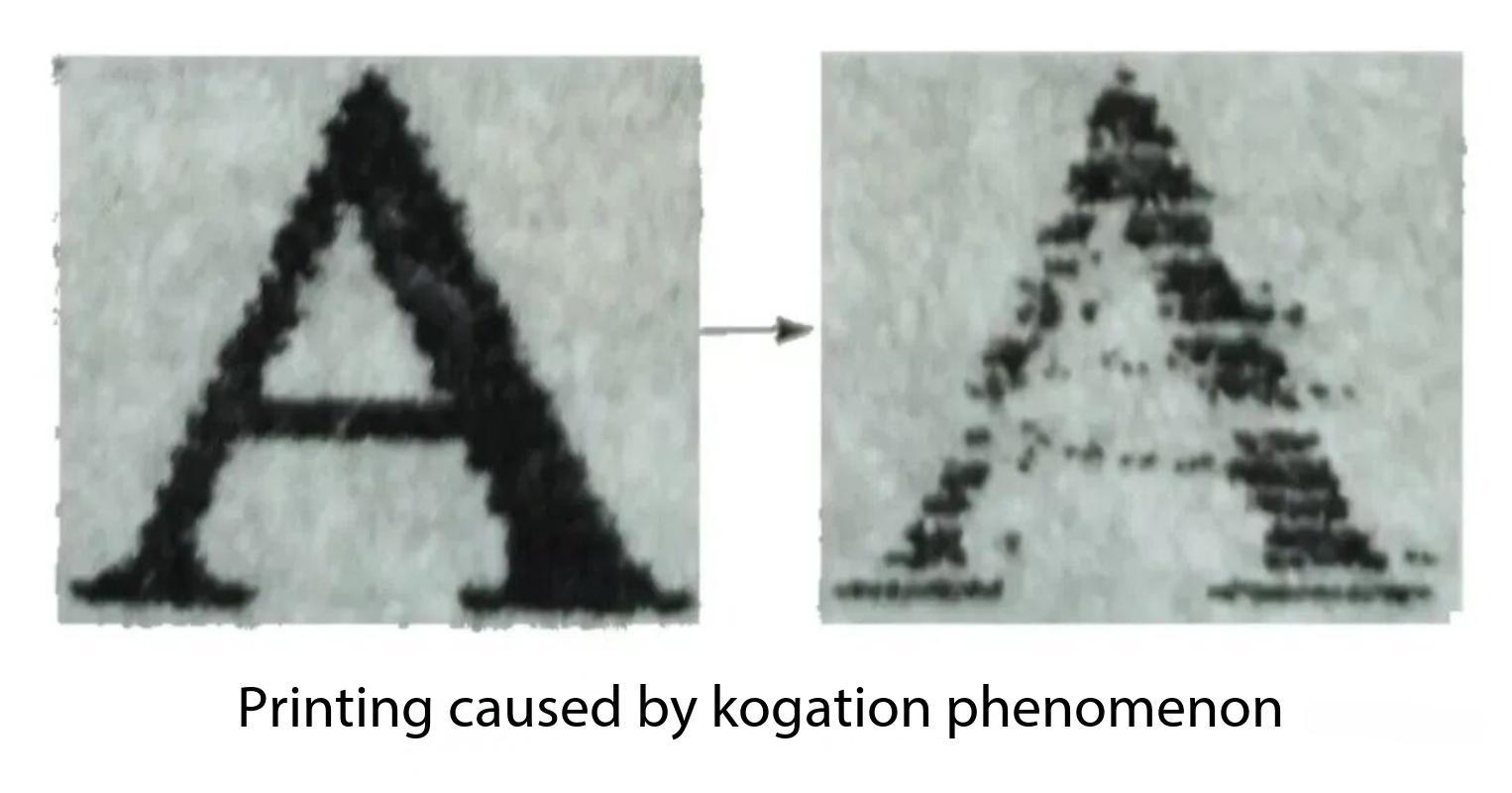
1. Definition and Causes of the Kogation Phenomenon
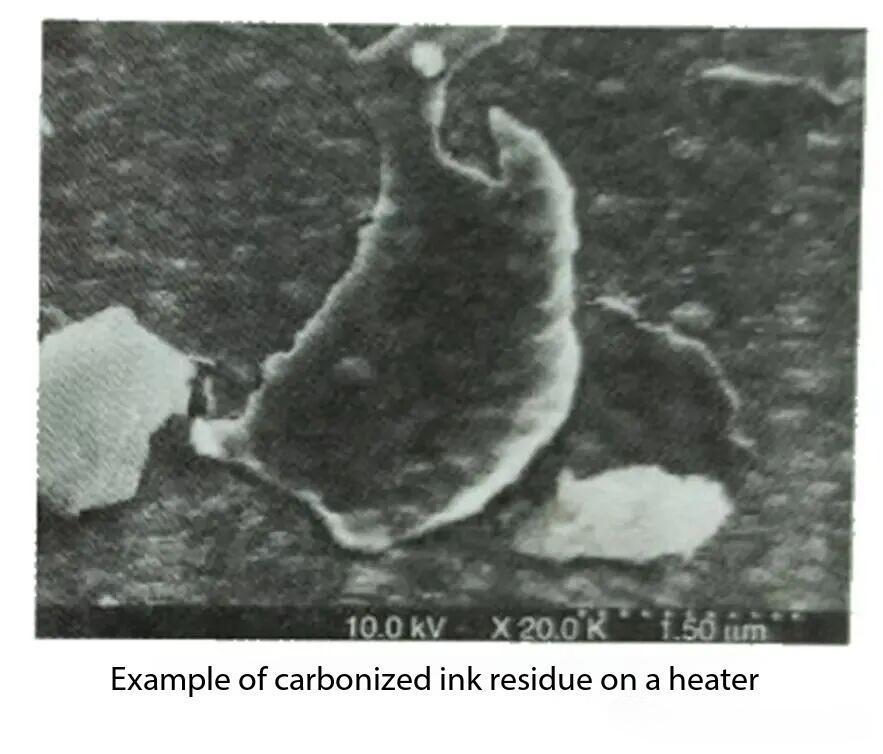
Kogation refers to a failure phenomenon in thermal inkjet (TIJ) printheads during continuous operation, where localized overheating of the ink causes solvent evaporation and the deposition of pigments or additives. These deposits gradually form micro-particles or crystalline residues, eventually leading to nozzle blockage.
The primary causes include:
- Ink Overheating:
The heating resistor repeatedly raises the ink temperature to above 300 °C, causing rapid solvent evaporation (e.g., water) and gradual accumulation of non-volatile residues. - Ink Formulation Instability:
Pigments or additives may precipitate under high-temperature conditions, forming solid particles such as salt crystals.

2. Influencing Factors
- Ink Viscosity:
Low-viscosity inks (3–5 cP) evaporate more easily, but their residual components are also more prone to deposition. - Heating Frequency:
High-frequency jetting (e.g., high-speed printing at 200 m/min) intensifies localized thermal stress and accelerates kogation. - Ink Purity:
Elevated salt content or excessive impurities significantly increase the risk of kogation.
3. Mitigation Solutions
Ink Formulation Optimization:
- Use low-salt, high-stability aqueous inks to reduce crystallization risk.
- Add anti-deposition agents (e.g., surfactants) to suppress particle agglomeration.
Printhead Design Improvements:
- Employ high-temperature-resistant materials (e.g., ceramic heating elements) to extend printhead service life.
- Optimize chamber and flow-path design to improve ink flow uniformity.
4. Countermeasures in Industrial Applications
- Regular Maintenance:
Utilize automated cleaning routines (such as pulsed flushing) to remove nozzle deposits. - Intelligent Monitoring:
Integrate sensors to monitor nozzle temperature and ink flow in real time, enabling early prevention of overheating.
5. Technology Comparison
| Measure Type | Specific Method | Performance Impact |
| Ink optimization | Low-salt formulation + anti-deposition additives | Reduces kogation frequency by 50%+ |
| Printhead improvement | Ceramic heaters + optimized flow channels | Extends printhead life by 2–3× |
| Maintenance strategy | Automatic cleaning + smart monitoring | Reduces downtime by ~30% |
6. Integrated Optimization Strategy for Kogation Control
Short-term approaches:
- Optimize existing ink formulations
- Adjust printing parameters and operating procedures
- Strengthen routine equipment maintenance
Mid- to long-term approaches:
- Develop new protective coating materials
- Improve printhead structural design
- Explore alternative technologies (e.g., micro-piezoelectric inkjet)
7. Future R&D Directions
- In-depth study of ink–material interaction mechanisms
- Development of intelligent self-cleaning systems
- Exploration of novel high-temperature-resistant material systems
An In-Depth Look at HP (Hewlett-Packard) Printhead Manufacturing Technology and Working Principles
Printhead Release Information
- Release date: November 30, 2012
- 1200 dpi, 4-color printhead
- 6 pl droplet size
- Up to 70 pages per minute
- Extended projected printhead service life
喷头_2025-12-30_21-33-47.png)
喷头-2_2025-12-30_21-33-32.png)
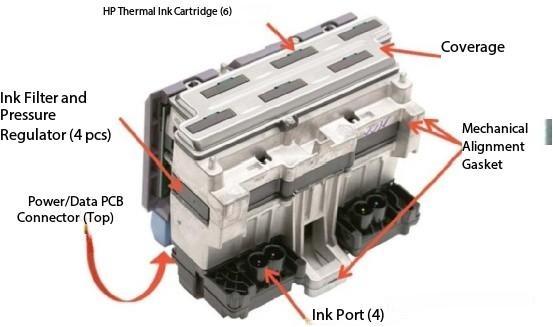
HP PageWide Printhead Module
- 129 mm print swath
- 4 colors
- 1200 dpi resolution
- 6,336 nozzles per color
- Integrated filtration and pressure regulation
- Tool-free user replacement
- Cascade/stackable configuration
- Foundation technology for wide-format printers
HP Low-Cost Page Array Technology
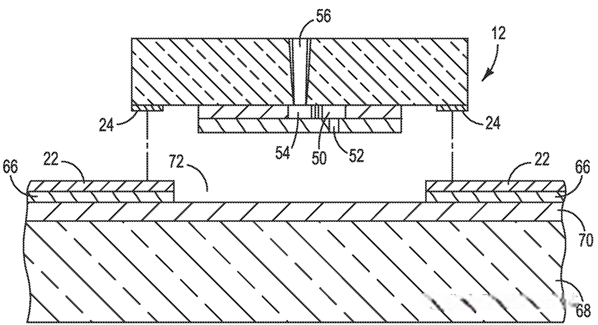
- Molded page array printheads significantly reduce cost
- Much narrower silicon die — only 500 microns wide, compared with traditional low-cost array chips at ~5 mm width
- Molded epoxy body is substantially cheaper than silicon, glass, or ceramic
- In-flight drop detection or image scanning features can be molded directly on the front face
- Printhead assembly and encapsulation are completed on a flexible carrier substrate (68 contact points) with a thermal release coating
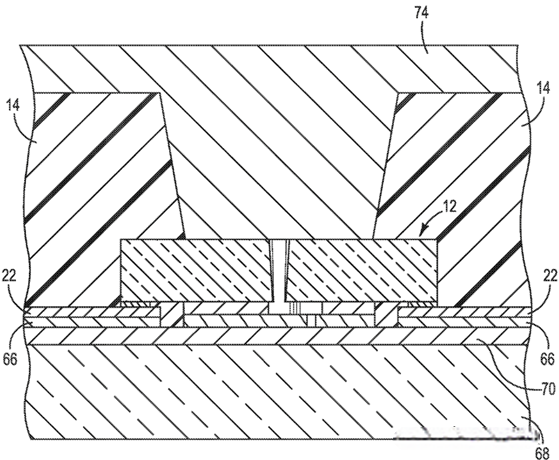
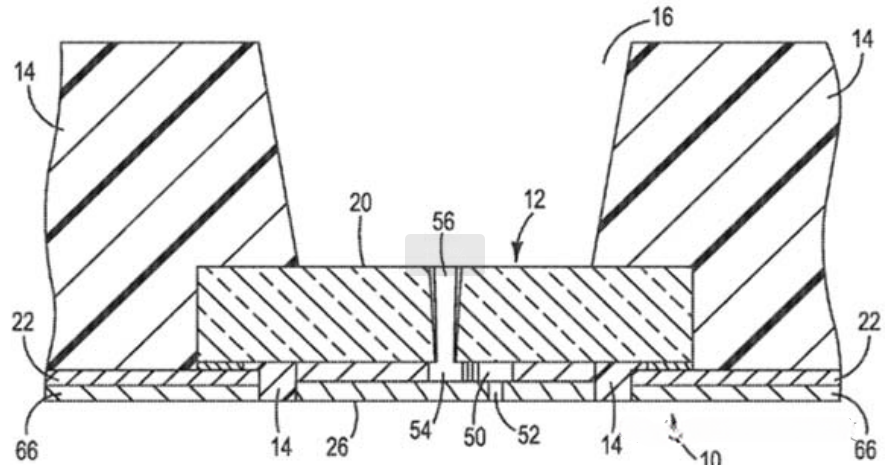
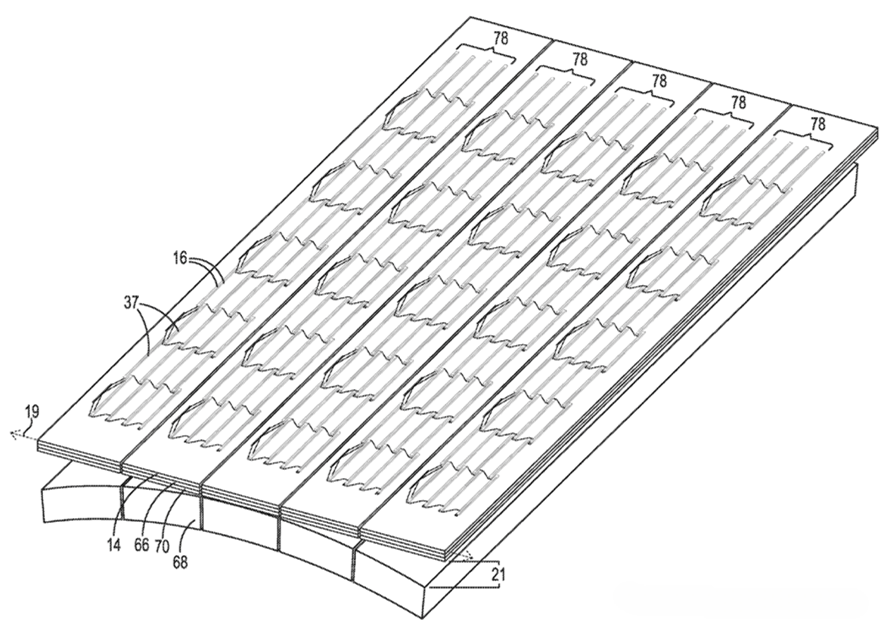
- Five print bars manufactured on a single flexible carrier
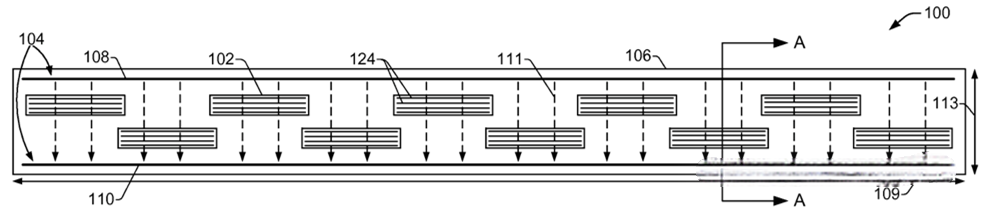
- Ten dies staggered across a total width of 230 mm
- Individual bar width: 16 mm
- Low manufacturing cost enables affordable redundancy
- Integrated drop detection capability
- Built-in sensors for ink condition monitoring and ink-level sensing are under development
Actuator Technologies
- Early designs used suspended heater thermal bubble jetting
- Later designs introduced thermally actuated micro-mechanical moving nozzles
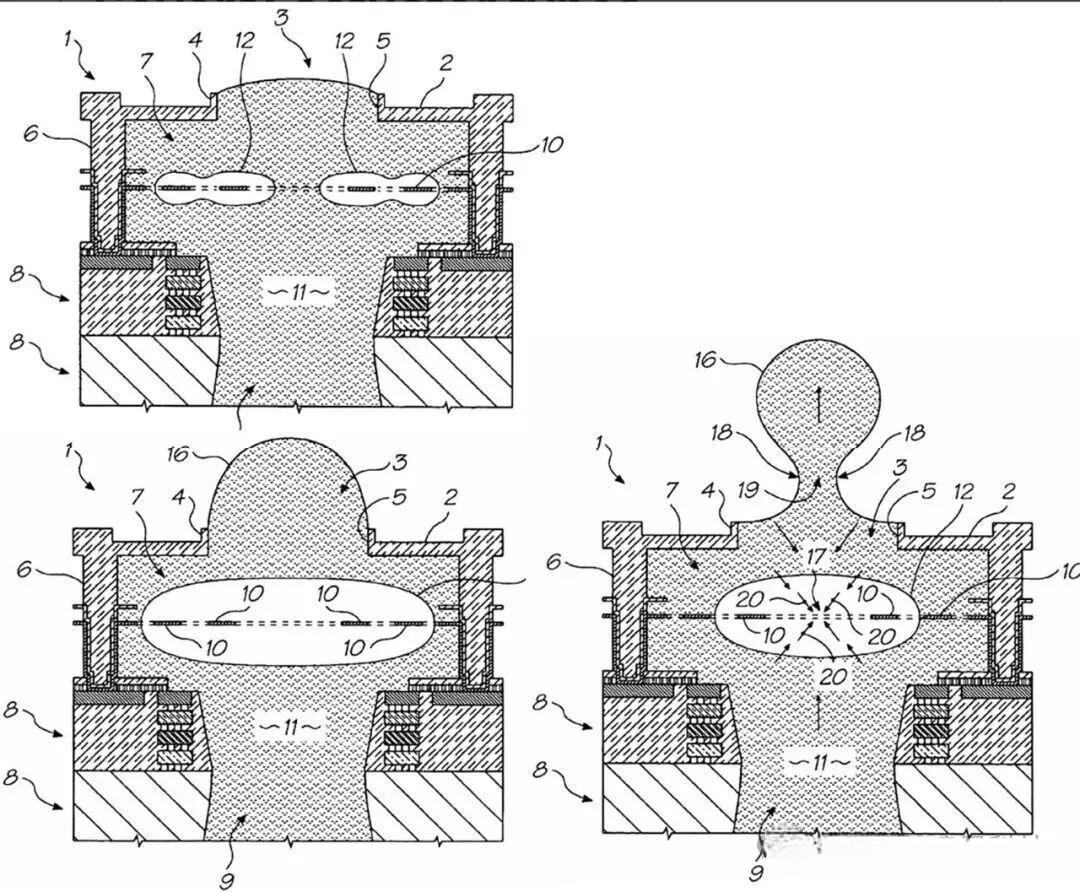
Nozzle Layout (Magnified Under a High-Resolution Microscope)
- Suspended heater thermal bubble structure
- Micro-mechanical moving nozzle structure

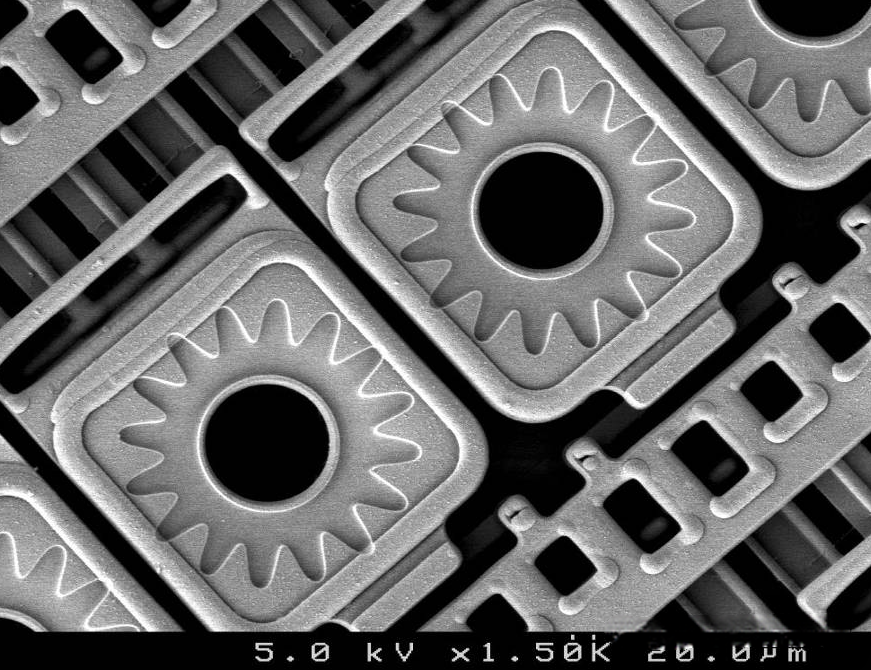
This overview highlights HP’s innovations in pagewide thermal inkjet architecture, emphasizing cost reduction, high nozzle density, modular scalability, and advanced sensing integration—key factors enabling high-speed, high-resolution industrial and office printing systems.