
Analysis of Surface Tension Effects on Inkjet Printing
The following is a comprehensive analysis of how surface tension affects inkjet printing, integrating key points on pigment dispersion, surface energy, and inkjet processes:
1. Physicochemical Basis of Surface Tension and Pigment Dispersion
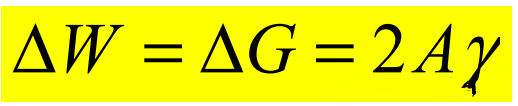
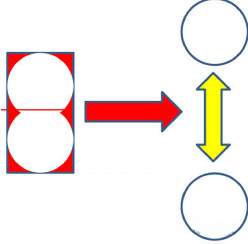
- Gibbs Free Energy and New Surface Formation: When dispersing pigments, particle breakup must overcome intermolecular forces (e.g., van der Waals forces). The energy required equals the Gibbs free energy of creating a new surface (ΔG=γ⋅ΔA\Delta G = \gamma \cdot \Delta AΔG=γ⋅ΔA), where surface tension (γ\gammaγ) is the work per unit area.
- Dynamic Equilibrium: During grinding, mechanical shear breaks pigment aggregates. However, if the new surface is not rapidly wetted (e.g., with low-surface-tension dispersants), the high surface energy causes spontaneous re-aggregation.

2. Influence of Surface Tension on Inkjet Processes
- Wetting and Flow:
- In inkjet printing, ink must spread on the substrate surface (wetting). Excessively high surface tension causes droplet contraction, leading to “coffee ring” effects or poor adhesion.
- Wet film leveling relies on surface tension gradients (solvent evaporates faster in thin areas, increasing local surface tension, driving coating flow toward high-tension regions).
- Satellite Droplet Control:
- During ink breakup, surface tension combined with viscoelasticity determines filament breakage behavior. High surface tension tends to elongate filaments, increasing satellite formation (e.g., mineral oil-based binders are more prone to satellite droplets than resin-based).
- Adding surfactants (e.g., “wetting” agents) reduces the surface tension of water-based inks, improving jetting stability.
3. Pigment Surface Treatment and Dispersant Selection
- Surface Polarity Control:
- Organic pigments (hydrophobic) and inorganic pigments (hydrophilic) require dispersants with matching polarity (e.g., anionic dispersants for small-particle organic pigments, nonionic for large-particle inorganic pigments).
- Dispersants adsorb onto the pigment surface via anchoring groups (e.g., carboxyl groups), and solvated chains provide steric hindrance to prevent secondary aggregation.
- Dynamic Surface Tension Optimization:
- Adding low dynamic surface tension surfactants (e.g., polyacrylates) during grinding accelerates wetting of newly exposed pigment surfaces, enhancing dispersion efficiency.
4. Synergistic Optimization of Inkjet Performance
- Viscosity and Surface Tension Balance:
- Inkjet viscosity must be controlled in coordination with surface tension (e.g., UV inks require an environment above 20°C to prevent increased viscosity and surface tension imbalance at low temperatures).
- Pigment Floating Prevention:
- Pigment floatation (e.g., titanium dioxide separating from organic pigments) can be reduced by dispersants (e.g., Dispers 710) to lower interfacial tension gradients, preventing migration caused by density differences.
Key Conclusions:
Surface tension directly determines inkjet quality by influencing wetting, leveling, satellite droplet formation, and pigment dispersion stability. Optimization strategies include:
- Dispersant Design: Match pigment surface polarity and reduce dynamic surface tension.
- Process Parameters: Control ambient temperature and humidity to balance viscosity and surface tension.
- Substrate Pretreatment: Clean and retain appropriate roughness to enhance capillary forces and adhesion.
Relationship Between Jetting Velocity and Fluid Viscosity at the Same Voltage
For piezoelectric printheads, under the same applied voltage, the relationship between jetting velocity and fluid viscosity is influenced by multiple factors. The specific mechanisms are as follows:

I. Direct Impact of Viscosity on Jetting Velocity
- Inverse Relationship Between Flow Rate and Viscosity
At a fixed voltage, high-viscosity fluids experience increased internal friction, significantly reducing the actual flow rate. Experimental data show that when viscosity rises from 1 mPa·s to 30 mPa·s, the flow rate under the same voltage (20 V) may drop to one-third of the original value. - Compensation Requirement of Drive Voltage
High-viscosity fluids require higher voltages or extended pulse widths to overcome viscous resistance. For example, high-viscosity inks (>15 mPa·s) need a driving voltage of 18–20 V, whereas low-viscosity inks (3–5 mPa·s) only require 8–12 V to achieve stable jetting.
II. Indirect Impact of Viscosity on Jetting Stability
- Droplet Formation and Filament Risk
High-viscosity fluids can cause delayed droplet contraction, requiring precise matching of nozzle diameter (e.g., an 8 μm nozzle with 10 mPa·s ink) and pulse timing. Otherwise, filament stretching or droplet breakage may occur. - Temperature Regulation Effect on Viscosity
Viscosity decreases as temperature rises (approximately 2 mPa·s per 5°C), necessitating dynamic voltage adjustment to maintain consistent jetting. For instance, UV printers must monitor ink temperature in real time and adjust the piezoelectric drive voltage accordingly.
III. Technical Optimization Directions
- Adaptive Waveform Control
Using dual-waveform drive (e.g., 20 μs pulse with 14–17 μs interval) can suppress lateral pressure fluctuations in high-viscosity fluids, enhancing jetting stability. - Multi-Physics Coupling Modeling
Establish a coupled piezoelectric ceramic–capillary–fluid model to predict the optimal jetting parameter combination for different viscosities.
Conclusion:
For piezoelectric printheads, increasing fluid viscosity significantly reduces jetting velocity at the same voltage. Stable jetting can be achieved through voltage compensation, temperature control, and waveform optimization.