
The flow characteristics of piezoelectric Drop-on-Demand (DOD) inks are a core factor affecting print quality, with viscosity behavior and flow control being particularly critical. The following is a comprehensive analysis based on technical principles and industry practices:
I. Viscosity Characteristics and Flow Control
1. Viscosity Units and Measurement
Viscosity is typically expressed in millipascal-seconds (mPa·s) or Poise (P), and directly affects the flow behavior of ink through the printhead.
- High viscosity may lead to nozzle starvation (insufficient ink supply)
- Low viscosity can cause ink spreading or misting (satellite droplets)
2. Dynamic Viscosity Regulation
Piezoelectric DOD systems control droplet ejection by applying electrical pulses to deform the piezoelectric crystal, enabling precise ink flow control.
- Commercial printheads typically require a specific viscosity range (e.g., 10–20 mPa·s)
- Binders are designed with optimized molecular structures to balance fluidity and film formation performance
II. Impact of Viscosity on the Printing Process
Viscosity plays a critical role in determining:
- Droplet formation stability
- Jetting consistency
- Print resolution and edge sharpness
Improper viscosity leads to unstable jetting behavior and degraded print quality.
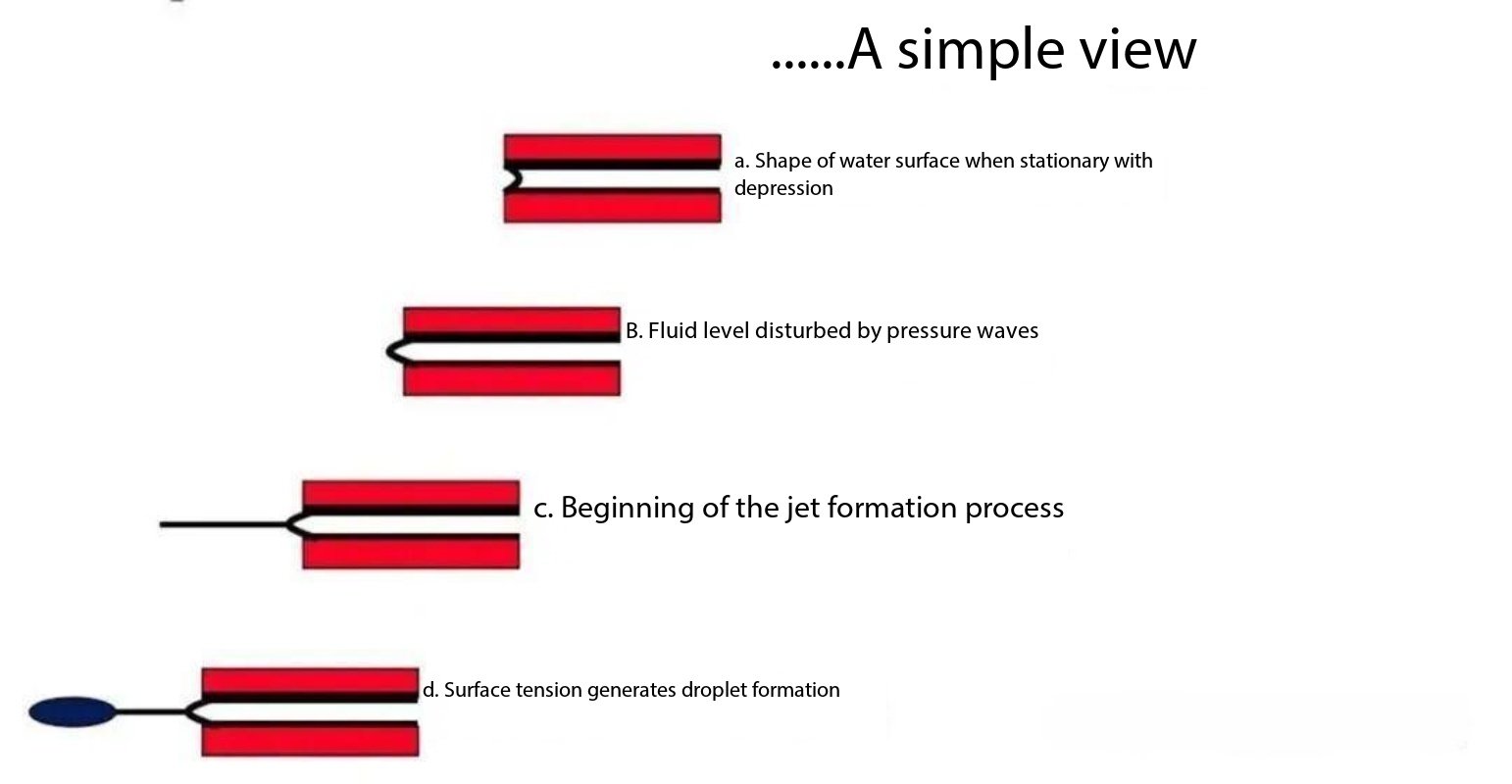
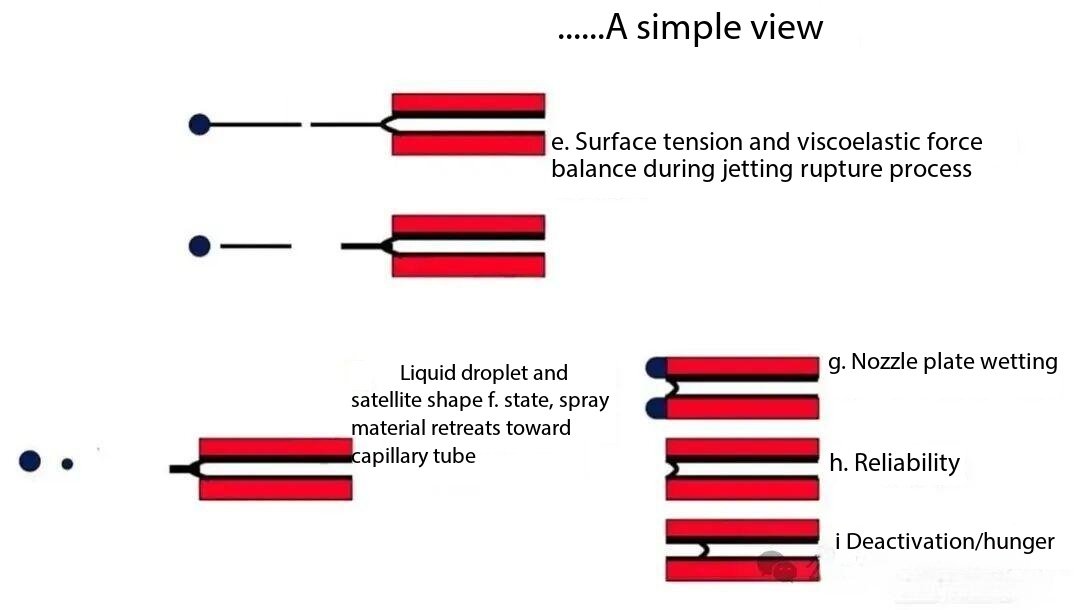
III. Key Process Challenges and Solutions
1. Nozzle Starvation and Air Entrapment
Problem:
At high firing frequencies, insufficient ink replenishment may allow air to enter the nozzle, disrupting droplet stability.
Solution:
Use thixotropic inks (shear-thinning behavior):
- Lower viscosity during jetting to improve flow
- Recover viscosity at rest to prevent dripping
2. Nozzle Wetting and Ink Backflow
Problem:
Reverse ink flow (creep) inside the nozzle may cause:
- Missing jets
- Ink misting
Solution:
- Use surface tension modifiers (e.g., silicone-based additives) to optimize droplet breakup behavior
- Control environmental conditions:
- Temperature: 23 ± 2°C
- Humidity: 50 ± 5% RH
IV. Role of Binders
Binders, as the base matrix of the ink, directly influence:
1. Rheological Properties
- Low molecular weight binders reduce viscosity
- Must balance viscosity with film strength
2. Electrical Conductivity
- Piezoelectric inkjet systems may require conductive additives (e.g., quaternary ammonium salts)
- Ensures stable droplet charging and jetting behavior
V. Differences in Industry Applications
Different printhead technologies have significantly different viscosity requirements:
- High-precision DOD printheads (piezoelectric):
- Require low viscosity (<15 mPa·s) for micro-droplet generation
- Industrial CIJ printheads:
- Allow higher viscosity (20–30 mPa·s)
- Require continuous ink supply systems for compensation
Conclusion
The flow characteristics of piezoelectric DOD inks must be optimized through:
- Precise viscosity control
- Binder formulation optimization
- Environmental management
The key objective is to achieve a balance between:
✔ Fluidity
✔ Stability
✔ Printing resolution