
Introduction
When choosing ink for printing—whether for industrial inkjet printers, packaging, or photo printing—one of the most common questions is:
👉 Should you use dye ink or pigment ink?
Understanding the development of inkjet dyes, their advantages, and how they compare with pigment inks is essential for achieving the right balance between color quality, durability, and cost.
This guide explains everything from technical evolution to real-world application scenarios.
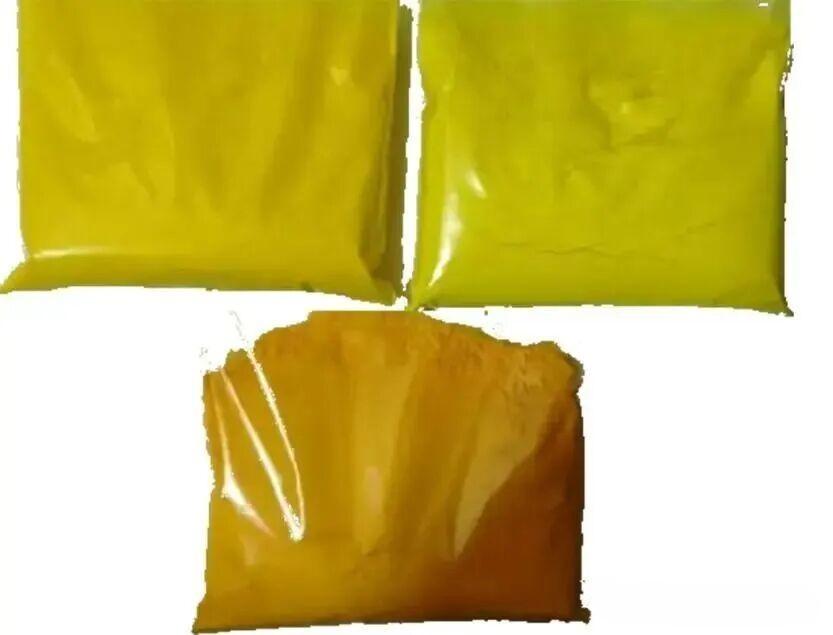
What Is Inkjet Dye Ink?
Dye ink is a type of ink where colorants are fully dissolved in liquid, forming a homogeneous solution.
Key Characteristics:
- Molecules penetrate into the substrate (paper, film, etc.)
- Produces high color saturation and smooth gradients
- Typically low viscosity (2–5 mPa·s)
- Fast drying speed
Evolution of Inkjet Dye Technology
1. First-Generation Dye Ink Limitations
Early dye inks had serious issues:
- High salt content (NaCl, Na₂SO₄)
→ Corroded thermal printheads
→ Increased nozzle clogging by 30%+ - Poor lightfastness
→ UV breaks azo bonds
→ Visible fading (ΔE > 5) within 2–3 weeks
👉 Result: Suitable only for short-term indoor printing.
2. Modern Dye Ink Improvements
Today’s dye inks are significantly improved:
✔ Water Resistance
- Sulfonic groups + amphoteric dispersants
- Reduced salt precipitation
- Conductivity controlled at 50–200 μS/cm
✔ Optical Density & Color Strength
- High-purity dyes (e.g., C.I. Direct Red 81)
- OD improved from 1.2 → 1.8
✔ Light Stability
- UV stabilizers (benzotriazole)
- Lightfastness up to Blue Wool Grade 4
👉 Result: Usable for commercial printing, indoor signage, and documents
Dye Ink vs Pigment Ink: Key Differences
| Feature | Dye Ink | Pigment Ink |
| Color Vibrancy | ⭐⭐⭐⭐⭐ (very bright) | ⭐⭐⭐⭐ |
| Water Resistance | Low–Medium | High |
| UV Resistance | Low | High |
| Drying Speed | Fast | Moderate |
| Cost | Lower | Higher |
| Print Sharpness | Smooth gradients | Sharper edges |
| Ink Type | Dissolved molecules | Solid particles |
Where Is Dye Ink Used?
1. Desktop & Office Printing
- Low cost per page (< $0.01–0.02)
- Smooth gradients for documents & photos
2. High-Speed Industrial Printing
- Viscosity: 2–5 mPa·s
- Drying time: <1 second
- Supports speeds >100 m/min
👉 Compared to pigment ink:
- 40% lower failure rate
- Better for continuous production lines
Technical Challenges of Dye Ink
Even modern dye inks still face challenges:
1. UV Resistance
- Still weaker than pigment ink
- Not ideal for outdoor applications
2. Environmental Regulations
- EU REACH restricts certain azo dyes
- Push toward:
- Metal-free dyes
- Phthalocyanine systems
Future Trend: Hybrid Ink Technology
A major innovation trend is:
👉 Dye + Pigment Hybrid Ink
Example:
- Combines:
- Dye → vivid color (ΔE < 3)
- Pigment → durability (Blue Wool Grade 6)
Benefits:
- Better outdoor performance
- Improved color richness
- Balanced cost vs performance
How to Choose: Dye or Pigment Ink?
Choose Dye Ink if you need:
✔ High color saturation
✔ Smooth gradients (photos, graphics)
✔ High-speed printing
✔ Low cost per print
Choose Pigment Ink if you need:
✔ Outdoor durability
✔ Water resistance
✔ Long-term archival printing
✔ Sharp text edges
Pro Tip (Industrial Users)
If you’re running:
- UV printers
- DTF printers
- Bottle / packaging printers
👉 Dye ink is usually NOT the main choice
👉 Instead, use:
- UV ink
- Pigment-based systems
But…
👉 Dye ink is still valuable for:
- pre-print systems
- high-speed paper printing
- cost-sensitive applications
Conclusion
Inkjet dye technology has evolved from:
❌ unstable, low-durability inks
➡️ to
✅ high-performance, industrial-capable solutions
While pigment ink dominates durability applications, dye ink remains unbeatable for:
👉 Color vibrancy + speed + cost efficiency
FAQ
Q1: What is the difference between dye ink and pigment ink?
Dye ink dissolves completely in liquid, offering brighter colors, while pigment ink uses solid particles for better durability.
Q2: Which ink is better for photos?
Dye ink provides smoother gradients and more vibrant colors, making it better for photo printing.
Q3: Does dye ink fade faster?
Yes, dye ink fades faster under UV exposure compared to pigment ink.
Q4: Is dye ink cheaper than pigment ink?
Yes, dye ink generally has a lower cost per print.