
1. Ink Performance Testing Framework
1.1 Basic Physicochemical Property Evaluation
- Density Measurement: 0.8–1.5 g/cm³ with temperature compensation of ±0.0005 g/cm³/°C.
- Viscosity Control: 3–50 mPa·s with thixotropic index of 0.5–2.0.
- Surface Tension Optimization: 30–50 mN/m to ensure stable droplet formation.
1.2 Functional Verification
- Color Fastness Testing: Water, sunlight, and abrasion fastness ≥ Grade 4 (ISO 105-B02).
- Environmental Compliance: Zero detection of APEO, heavy metals, and aldehydes; VOC content ≤5%.
- Conductive Inks: Must pass a 10⁻³ Gy radiation dose test with resistance change rate <0.1% per year.
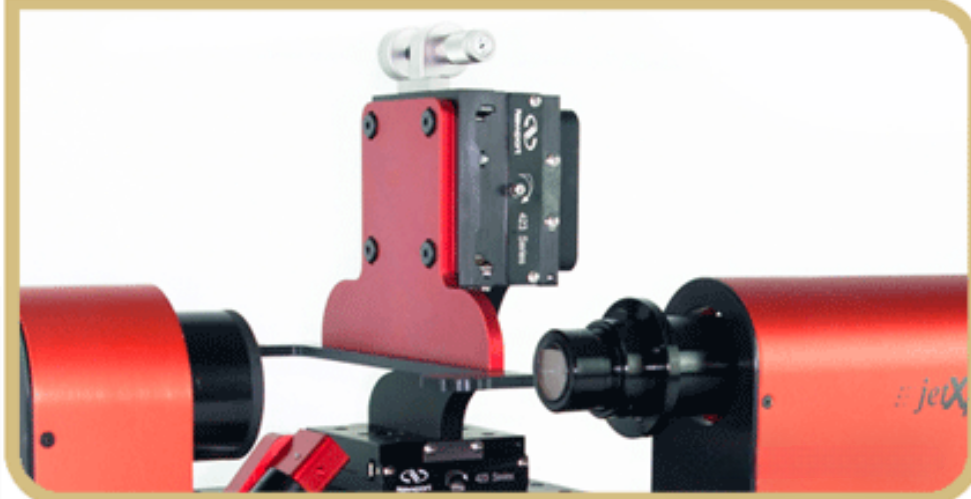
2. Drive Waveform Optimization Methods
2.1 Parameter Tuning Procedure
- Initial Setup: Establish baseline using manufacturer-recommended pulse (e.g., 26 V / 2.18 μs).
- Dynamic Adjustment: Monitor droplet velocity (5–6 m/s) and satellite droplet occurrence.
- Multi-Pulse Optimization: Employ 40 V/μs rise time to control droplet separation precision.
2.2 Intelligent Calibration Technology
- Adjust the waveform system to match ink properties and printhead resonance frequency.
- Real-Time Feedback: Correct pulse timing using high-speed imaging at 10,000 fps.

3. Printhead Performance Evaluation
3.1 Durability Testing
- Accelerated Aging: Print 5000 pages of 85% coverage patterns while monitoring nozzle clog rate.
- Environmental Testing: Validate corrosion resistance of gold-plated contacts under 85°C / 85% RH conditions.
3.2 Jetting Quality Assessment
- Atomization Uniformity: Coefficient of variation (CV) ≤15% (GB/T 20790-2006).
- Response Time: ≤300 ms for fire-safety applications (ISO 15822).
4. Ink–Printhead Collaborative System
4.1 Compatibility Verification
- Particle Size Control: Nano-silver ink D50 <50 nm to ensure printhead compatibility.
- Conductivity Management: Water-based ink <4000 μS/cm to prevent electrode corrosion.
4.2 Closed-Loop Control System
- Integrates pressure and temperature sensors to dynamically adjust ink supply pressure (±0.25% FS).
- Digital Twin Technology: Predicts printhead lifespan with <5% error.
5. Drive Electronics and Software Architecture
5.1 Hardware Design
- Piezoelectric Drive Module: Supports 10 kHz high-frequency pulses with 40 V/μs fast response.
- Multi-Channel Synchronous Control: Achieves ±2 μm line-width precision.
5.2 Software Algorithms
- Adaptive PID Control: Adjusts drive voltage in real time based on droplet observation data.
- Fault Diagnosis System: Monitors electrode aging through resistance change rate alerts.
Outcome:
This comprehensive optimization plan—from materials and processes to equipment—can improve the reliability of new ink systems by over 30%, making it especially suitable for high-precision artistic micro-spray and industrial electronic printing applications.