The relationship between piezoelectric printhead voltage and fluid viscosity is complex and dynamic. The core mechanisms and influencing factors can be summarized as follows:
1. Direct Impact of Viscosity on Jetting Velocity
1.1 Flow Rate and Pressure Relationship
Under the same drive voltage, high-viscosity fluids (e.g., paste-like adhesives) experience increased internal friction, reducing the actual flow rate. According to a Bernoulli-based correction model, flow rate is inversely proportional to the square root of viscosity. For example, a 10 mPa·s colloid achieves only 8.31 pL droplet ejection at 20 V drive voltage, whereas a low-viscosity fluid (1 mPa·s) can achieve over three times the flow under the same conditions.
1.2 Drive Parameter Adjustments
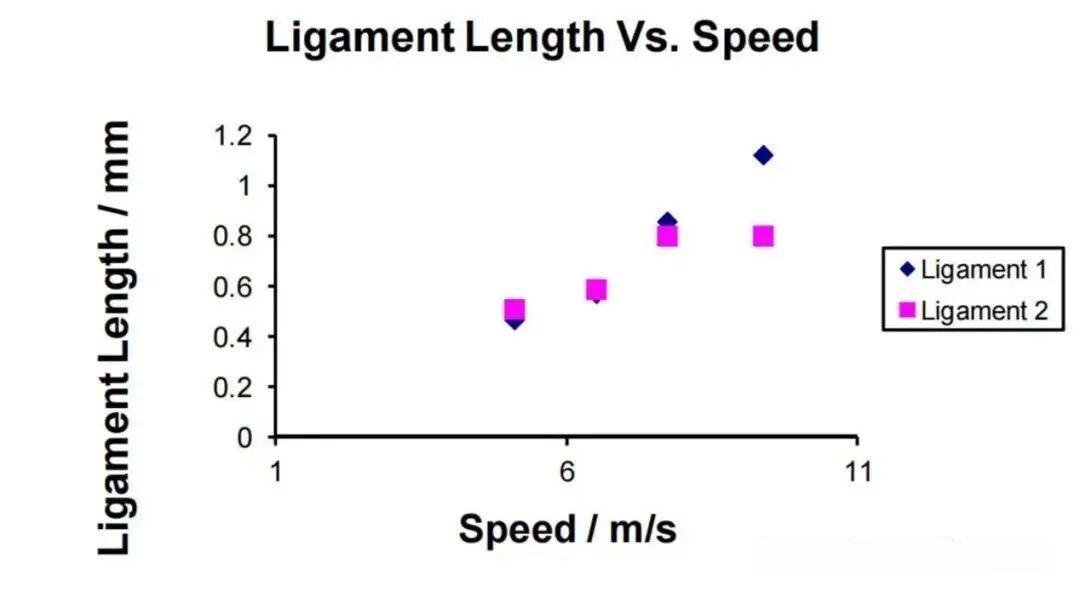
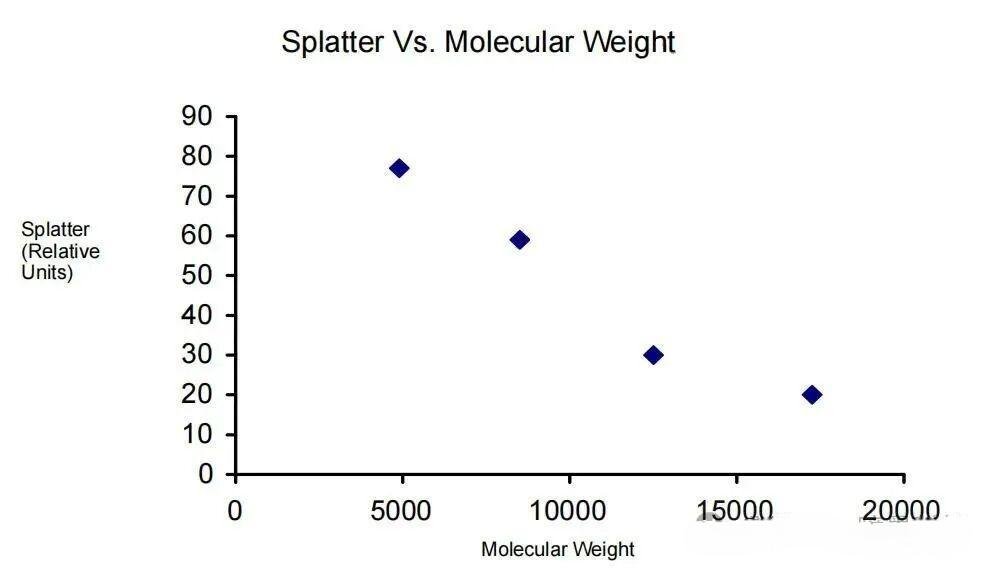
High-viscosity fluids require higher voltage amplitudes (e.g., 18–20 V) or extended pulse widths (>50 μs) to overcome viscous resistance. However, excessive voltage may cause droplet splashing. Piezoelectric controllers must optimize voltage waveforms via programming, such as using stepwise ramp-up strategies for high-viscosity adhesives.
2. Indirect Impact of Viscosity on Jetting Stability
2.1 Droplet Formation Conditions
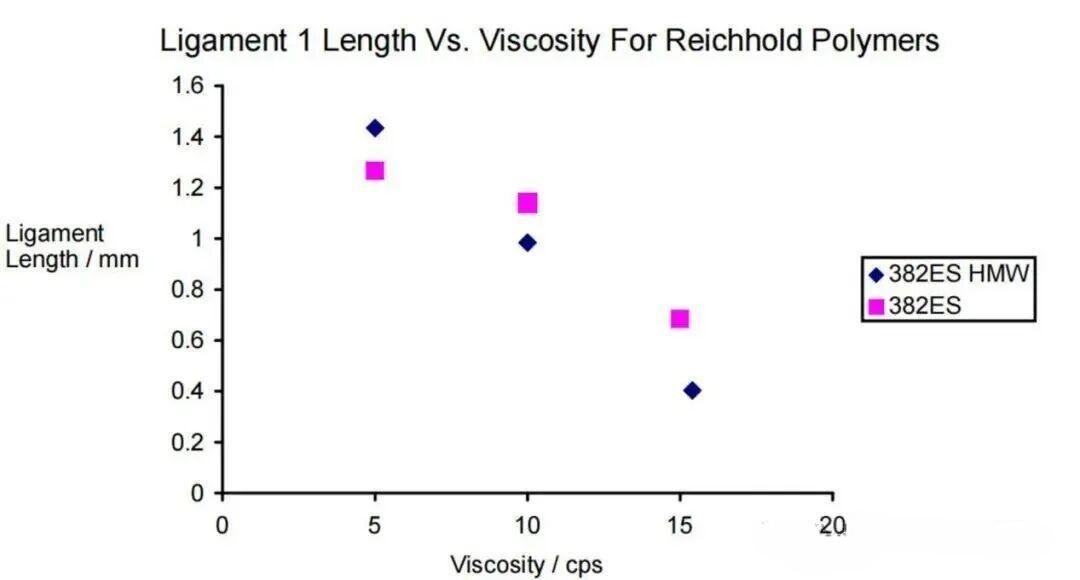
Increased viscosity slows the capillary contraction of fluid, requiring precise matching of nozzle diameter (e.g., 10 μm nozzle for 10 mPa·s colloid) and pulse timing. Mismatches can lead to stringing or satellite droplets.
2.2 Temperature Compensation Mechanism
Viscosity is highly temperature-dependent (decreasing ~15% per 10°C increase). Piezoelectric printheads must integrate temperature control modules to maintain stable viscosity and ensure long-term jetting consistency.
3. Typical Application Parameter Comparison
| Viscosity Range (mPa·s) | Recommended Drive Voltage (V) | Pulse Width (μs) | Minimum Droplet Volume (pL) | Suitable Nozzle Diameter (μm) |
| 1–5 (low viscosity) | 10–13 | 20–30 | 3.5–5 | 3–8 |
| 8–15 (medium viscosity) | 14–18 | 30–50 | 7–21 | 10–30 |
| 20+ (high viscosity) | 20–22 | 50–100 | 30–50 | 30–50 |
Experimental data: a 10 mPa·s colloid achieved 8.31 pL droplet ejection at 20 V / 37 μs.
4. Technical Optimization Directions
4.1 Multi-Physical Field Coupling Control
By establishing a coupled model of piezoelectric ceramics, capillaries, and colloids, the optimal jetting parameters for different viscosities can be predicted.
4.2 Adaptive Jetting Systems
New piezoelectric valves dynamically adjust voltage waveforms and pulse sequences in real time according to viscosity variations, enabling compatible ejection across a wide viscosity range—from low-viscosity inks to high-viscosity materials.