
In the field of digital printing, sublimation ink has become a key consumable for personalized customization and industrial production due to its unique color performance and application flexibility. From everyday phone case graphics and sportswear prints to professional advertising panels and home décor, sublimation ink enables high-definition, long-lasting color reproduction.
I. What Is Sublimation Ink?
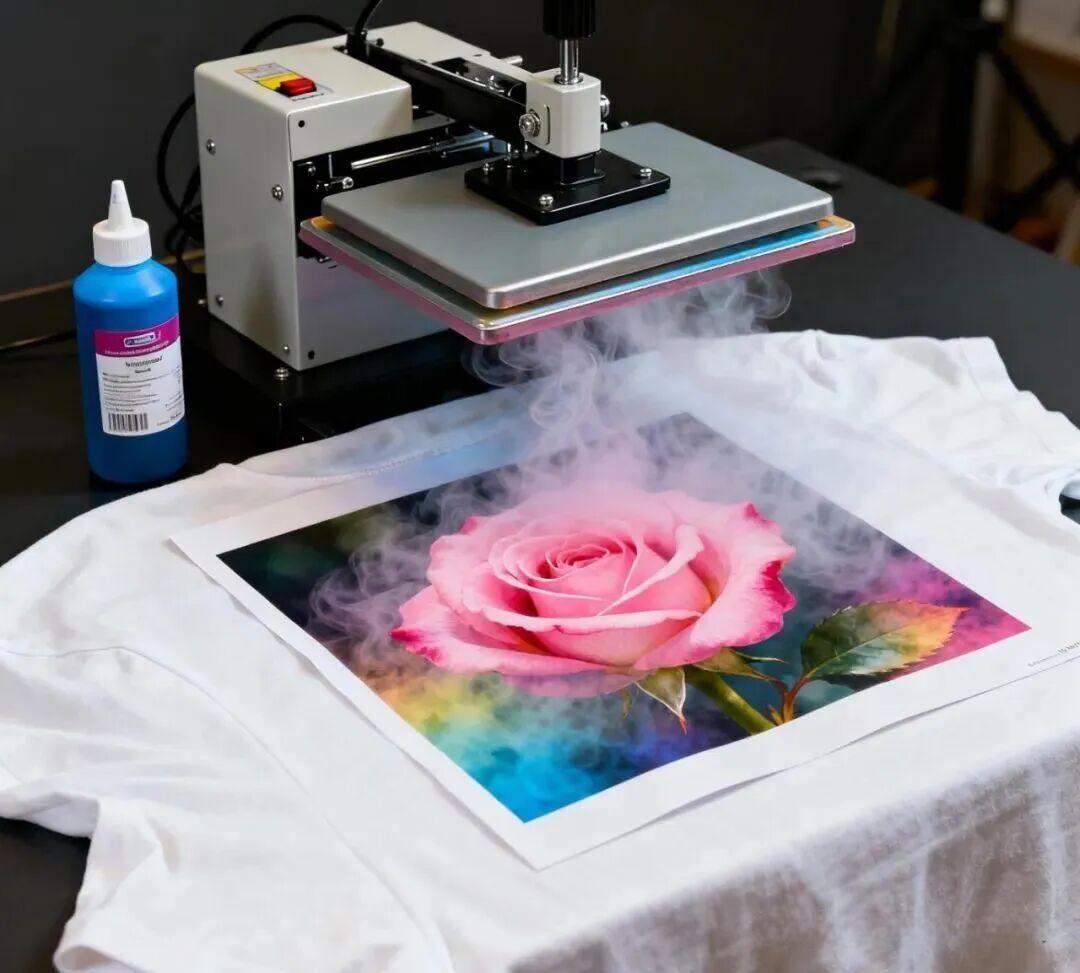
Sublimation ink is a special type of dye-based printing ink characterized by its “thermal sublimation reaction.” Under high temperature (typically 180–220°C) and pressure, the ink transitions directly from a solid state to a gaseous state. The vaporized dye penetrates into the fibers or molecular gaps of specific materials and solidifies again upon cooling, forming a color layer integrated with the substrate.
Unlike conventional inkjet inks (such as water-based or solvent-based inks), sublimation ink does not form a surface coating. Instead, it achieves color adhesion through molecular penetration and bonding. This is the fundamental reason for its superior texture and durability compared to other ink types.
II. Core Characteristics of Sublimation Ink
1. Color Performance: High Saturation and Wide Gamut
Sublimation dyes feature fine particles and can evenly penetrate materials after sublimation, resulting in richer color layers and higher saturation. Whether for gradients, complex patterns (such as photographic images), or high-contrast designs, sublimation printing delivers accurate color reproduction.
It performs particularly well in rendering delicate tones such as skin tones and natural landscapes, making it widely used in photographic printing and high-end decorative art.
2. Adhesion Stability: Wear-Resistant and Fade-Resistant
Because the dye molecules bond directly with the substrate (rather than sitting on the surface), sublimation prints offer outstanding durability:
- Abrasion-resistant: Everyday friction or light scratching does not easily cause image peeling (e.g., backpacks or luggage prints).
- Wash-resistant and weather-resistant: Colors can last for years without fading under normal indoor conditions and withstand repeated washing (when applied to polyester fabrics).
- Eco-friendly: High-quality sublimation inks are free from heavy metals and formaldehyde and comply with environmental standards such as EU REACH and U.S. FDA regulations, making them suitable for children’s products and food-contact items (e.g., customized drinkware).
3. Application Flexibility: Compatible with Multiple Materials
Sublimation ink is not universal, but it is compatible with a wide range of materials that possess thermal stability and molecular porosity:
- Synthetic fibers: Polyester (most common), nylon, spandex.
- Coated materials: Special sublimation-coated metals (e.g., tumblers, medals), ceramics (mugs, tiles), glass (decorative panels), plastics (ABS, PC).
- Sublimation transfer paper: Used for indirect transfer printing, where the image is printed on transfer paper and then heat-transferred onto the final substrate.
III. Working Principle: “Sublimation – Penetration – Solidification”
The sublimation process relies on coordination between ink, equipment, and substrate. Using transfer printing as an example:
Step 1: Ink Printing (Digital Output)
The design is printed (in mirrored format) onto sublimation transfer paper using a dedicated sublimation printer (typically piezoelectric inkjet printers such as Epson L805 or Roland BT-12). At this stage, the ink remains in liquid form on the paper surface.
Step 2: High-Temperature Sublimation
The printed transfer paper is placed against the target material and processed using a heat press machine (flatbed, rotary, mug press, etc.). Under controlled temperature (180–220°C), pressure (3–8 kg/cm²), and time (10–60 seconds), the dye sublimates directly from solid to gas and migrates into the substrate.
Step 3: Penetration and Solidification
The gaseous dye penetrates into the molecular structure of the material. When the heat source is removed and temperature drops, the dye re-solidifies and bonds permanently with the substrate, forming a durable, coating-free image.
IV. Advantages and Limitations
Core Advantages
- Smooth, coating-free surface feel.
- Suitable for both small-batch customization and large-scale industrial production.
- High resolution (up to 1440 dpi), capable of reproducing fine details and photographic images.
Limitations and Considerations
- Not directly compatible with cotton, wood, or uncoated metals (cotton requires special coating).
- Requires dedicated sublimation printer and heat press equipment.
- Ink must be stored in cool, dry conditions (below 30°C).
- The process requires high temperatures; heat-sensitive materials are unsuitable.
V. Purchasing and Usage Recommendations
Selection Guidelines
- Ensure compatibility with your printer model.
- Verify environmental certifications (SGS, FDA) for sensitive applications.
- Choose packaging size according to production volume (100ml–5L).
Usage Tips
- Perform regular printer maintenance.
- Adjust temperature, pressure, and time parameters according to material type.
- Design files in CMYK color mode.
- For dark substrates, print a white base layer first to enhance color saturation.
VI. Expanding Applications of Sublimation Ink
With technological advancement, sublimation ink applications have expanded beyond gift customization:
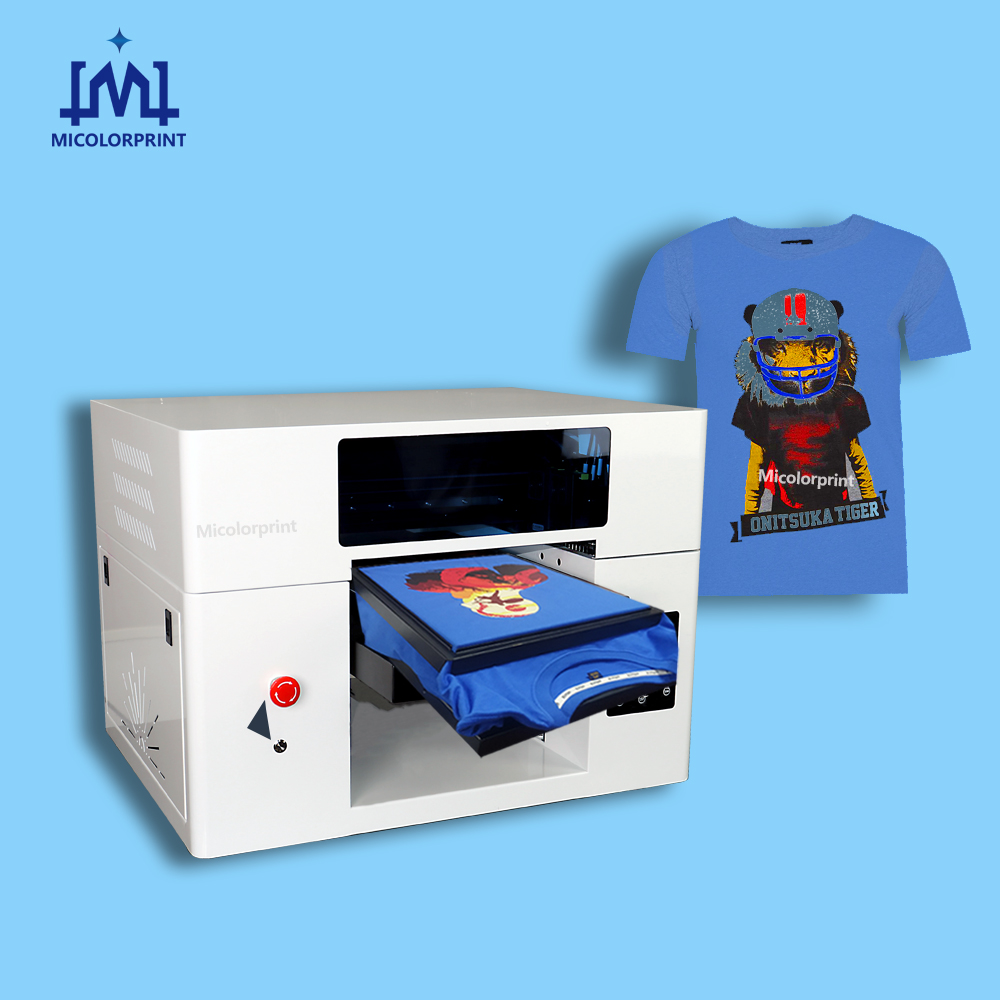
- Apparel & textiles: Sportswear, fashion brands, home textiles.
- Home décor: Decorative tiles, glass panels.
- Industrial manufacturing: Electronic casings, automotive interiors.
- Cultural & creative products: Designer figurines, book covers.
In the future, improvements in eco-friendly materials and coating technologies may enable sublimation ink to expand into biodegradable materials printing and flexible electronics.